10 bursaries are available to help cover travel costs — details in the abstract submission process.
Programme
Three themes, two extras.
The 2026 symposium is organised into three scientific themes, plus a community dinner and a technical forum.
Theme 01
Innate Immunity
Theme 02
Adaptive Immunity and Cancer
Theme 03
Novel Imaging Techniques in Mouse and Human
Community dinner
Il Gambero · Monday 17 August
$30 per person at Il Gambero, 166 Lygon Street, Carlton. Registered attendees welcome.
Technical forum
Tuesday 18 August · 2–5 PM
Separate ticketed event. Sharing intravital ethics protocols, surgical techniques, and tips. Lunch and afternoon tea included.
Welcome
An invitation.
We warmly invite you to the 2nd Intravital Microscopy Australia Symposium, held in Melbourne this August. This year's programme features international and national speakers across human intravital imaging, cancer and immunity, and cutting-edge analysis tools and systems.
We look forward to another gathering of the Australian intravital community — with new work, new collaborations, and a warm welcome for early-career researchers.
Keynote speakers
Two keynotes to open each day.
International keynote
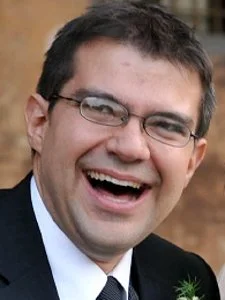
A/Prof. Francesco Marangoni
Physiology & Biophysics, School of Medicine, UC Irvine
Dr. Francesco Marangoni is an Assistant Professor at the School of Medicine of the University of California, Irvine. His research focuses on deciphering the spatio-temporal rules of immune modulation by integrating intravital imaging and fluorescent reporters of cellular functions. Funded by the National Cancer Institute, Francesco has published his work in high-impact journals, including Cell and Cancer Cell. Beyond research, he is deeply committed to the success of his students and postdocs; all his trainees secured competitive awards and positions in the field.
National keynote
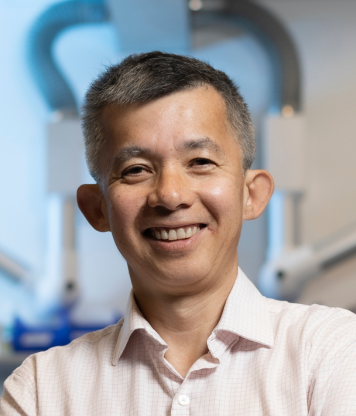
Prof. Tri Phan
Garvan Institute of Medical Research
Tri Phan is a clinical immunologist at St Vincent's Hospital, Sydney and a basic scientist at the Garvan Institute and UNSW Sydney. He is a founding director of the flagship ACRF INCITe Centre for intravital imaging and also a director of the Precision Immunology Program. He leads the Intravital Microscopy and Gene Expression (IMAGE) Lab that uses genetic animal models and human disease to study the role of B cells and macrophages in immunity, autoimmunity and cancer. His interdisciplinary research program aims to reveal the secret life of rare, difficult to find and isolate cells, in difficult to access and image tissues such as the bone.
National invited speakers
The programme.
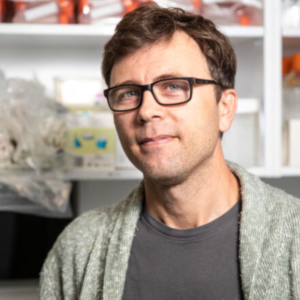
A/Prof. Luis Alarcon-Martinez
Head of the Visual Neurovascular Unit · CERA · The University of Melbourne
A/Prof. Luis Alarcon-Martinez is Head of the Visual Neurovascular Unit at the University of Melbourne – Centre for Eye Research Australia (CERA). Luis is a scientist in visual sciences and neuroscience, having developed sophisticated technical skills, including innovative imaging setups and microsurgical skills. A/Prof. Alarcon-Martinez completed his PhD in visual sciences at the University of Murcia (Spain). He pursued postdoctoral training at Barrow Neurological Institute (USA) – a leading neurosurgical training centre – to study vascular function in the central nervous system. A/Prof. Alarcon-Martinez has been a Marie Curie Fellow awarded by the European Commission. In 2015, he joined the Hospital Centre of the University of Montreal (Canada) to study neurovascular communication. In 2021, Luis moved from Canada to lead a team investigating neurovascular communication with cutting-edge research approaches at the Centre for Eye Research Australia (CERA)/The University of Melbourne.
A/Prof. Alarcon-Martinez's track record is supported by 32 manuscripts in journals such as Nature, PNAS, Brain, and Nature Communications. His findings have been highlighted in editorials of Nature and Brain. He has an FWCI of 3.21 (2015–2025; SciVal) and an h-index of 29, with 14 publications in the top 10% of most cited documents worldwide. He has received 18 awards/prizes/mentions in Australia, Canada, and Spain. His work has provided new tools adopted in laboratories worldwide, including new transgenic mouse lines and customised in vivo multiphoton imaging setups to study the rodent visual system.
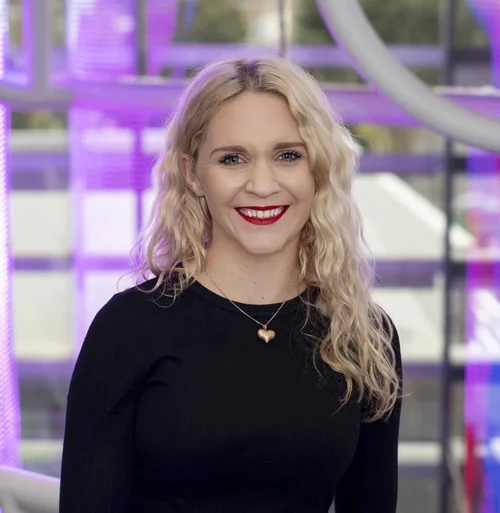
Dr Georgia Atkin-Smith
Senior Postdoc · Walter and Eliza Hall Institute · Hawkins Lab
Dr Georgia Atkin-Smith is a Senior Postdoc working with Professor Edwin Hawkins at the Walter and Eliza Hall Institute of Medical Research in Melbourne. She completed her PhD in 2019 at La Trobe University with Professor Ivan Poon, receiving the Nancy Millis Medal for the top 5% of PhD theses. Georgia has secured multiple highly competitive national research grants, including an NHMRC Investigator Grant and a L'Oreal UNESCO For Women In Science Fellowship. Her research uses a series of high-resolution imaging techniques to examine the death and removal of cancer cells in vivo post-therapy. Georgia has published over 20 papers in prestigious journals such as Nature Communications and Science Advances, and received many awards including the internationally renowned Biochemical Society ECR Award in 2025. Georgia is a passionate science communicator, keynote speaker and advocate of women in STEM.
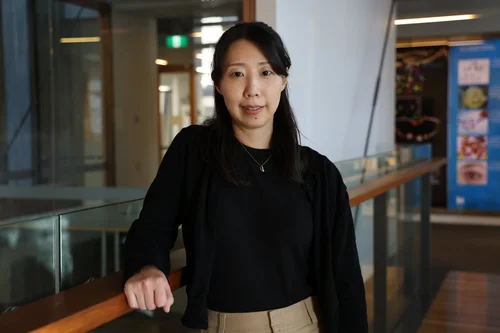
Dr Yuki Honda-Keith
Postdoctoral Research Fellow · Precision Immunology Program · Garvan Institute
Dr Yuki Honda-Keith is a clinical dermatologist in Japan and a postdoctoral research fellow at the Precision Immunology Program at the Garvan Institute of Medical Research in Sydney. Yuki is interested in immune cell interactions in melanoma and inflammatory skin diseases. She is currently investigating the immunological niche of melanoma, utilising two-photon microscopy and single-cell RNA sequencing analysis.
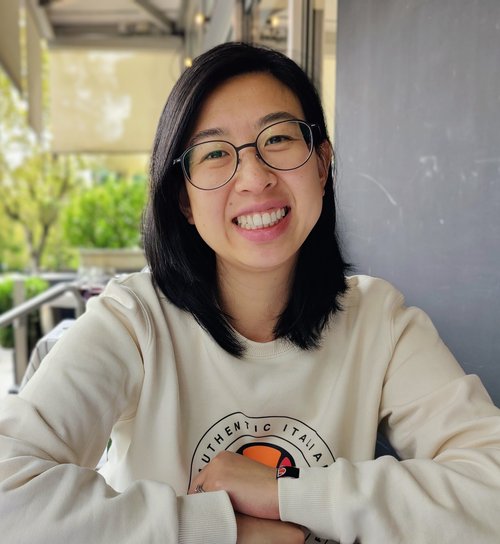
Dr Shu Wen Wen
Postdoctoral Research Fellow · Centre for Inflammatory Diseases · Monash University
Dr Shu Wen Wen is a Postdoctoral Research Fellow at the Centre for Inflammatory Diseases, Monash University, where she leads the Stroke Immunopathology research theme under the mentorship of Professor Connie Wong. Her work investigates the complex interactions between the brain and systemic immune system following ischaemic stroke, with the aim of identifying novel therapeutic strategies. Using intravital imaging approaches, experimental stroke models and single-cell RNA sequencing, she focuses on how stroke reshapes neutrophil function and contributes to post-stroke complications, including increased susceptibility to infection.
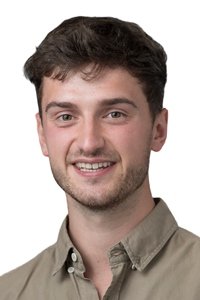
Dr Joshua Bourne
NHMRC Research Fellow · Thrombo-Immune Lab · Monash University
Dr Joshua Bourne is an NHMRC-funded Research Fellow at Monash University, leading the Thrombo-Immune Lab in Professor Connie Wong's research programme. He completed his PhD in the UK with the University of Birmingham Platelet Group in 2022, before relocation to Australia to build on his expertise in intravital microscopy. He has since acquired >$1.5m, including an NHMRC Ideas Grant in 2025, to fund his research investigating the interplay between thromboinflammation and neuroimmunology, specifically in the context of cerebral ischaemia. Using two-photon intravital microscopy, he is able to longitudinally image brain-resident cells through an intact skull to quantify cell dynamics in response to stimuli. Since relocation, he has maintained a high publication output, attracting >800 citations and invited international talks in Canada and Japan. His work has been recognised through multiple national and international awards, most recently the Australia Vascular Biology Society "ECR Rising Star" award.
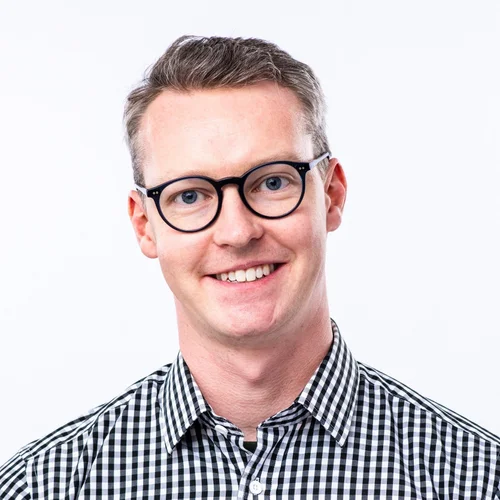
Dr Leon Smyth
Group leader · Neuroimmune Interactions Laboratory · Monash Biomedicine Discovery Institute
Dr Leon Smyth leads the neuroimmune interactions laboratory at the Monash Biomedicine Discovery Institute. His group is interested in the unique relationship between the central nervous system and the immune system, and the rules and logic that govern this. His group is particularly interested in the borders of the brain — the meninges, skull, vasculature, and choroid plexus — which have emerged as key sites of CNS immune surveillance, and uncovering how these regulate immune responses in the CNS.
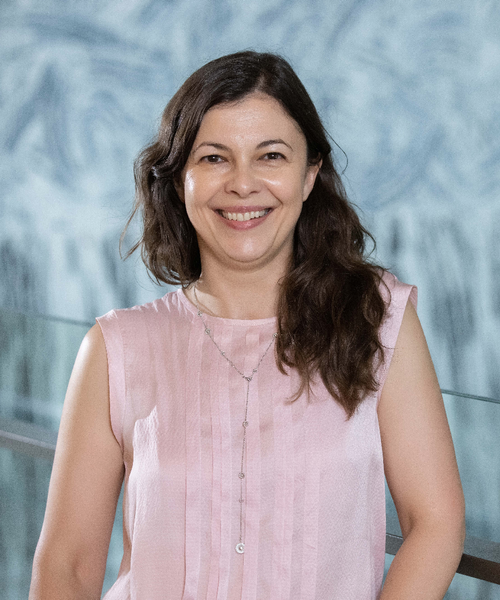
A/Prof Tatyana Chtanova
Head, Innate and Tumour Immunology Laboratory · School of Biotechnology and Biomolecular Sciences · UNSW Sydney
Associate Professor Tatyana Chtanova is the head of the Innate and Tumour Immunology laboratory, School of Biotechnology and Biomolecular Sciences, UNSW Sydney. After undergraduate studies at the University of New South Wales, Tatyana was awarded her PhD in 2005 for her thesis work on specific gene expression signatures for novel T cell subsets, performed at the Garvan Institute.
Following her PhD, Tatyana was awarded the Human Frontier Science Program Fellowship to train at the University of California, Berkeley. During her fellowship she gained expertise in intravital microscopy and applied it to uncover a unique immunological response to inflammation called neutrophil swarming and a novel mechanism of immune evasion by pathogens.
Tatyana's main research interest is in developing unique approaches such as two-photon microscopy and in situ photoconversion to understand fundamental immunological processes including infection, wound repair and cancer. The overall goal of Tatyana's research program is to harness inflammation to develop new immunotherapy for cancer and promote wound healing.
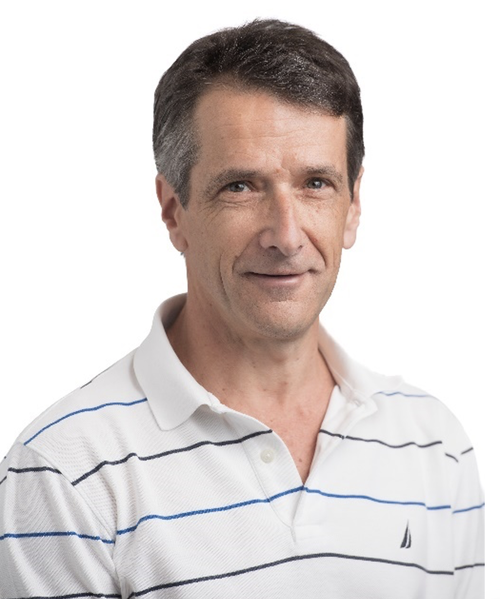
Prof Michael Hickey
Director · Centre for Inflammatory Diseases · Monash University
Professor Michael Hickey is Director of the Centre for Inflammatory Diseases at Monash University. His expertise lies in the analysis of the actions of leukocytes during inflammatory responses. Michael's laboratory uses various forms of advanced in vivo imaging, including multiphoton microscopy, to image organs during the inflammatory response. He has used this approach to investigate leukocyte recruitment and behaviour in the inflamed kidney and the actions of regulatory T cells in inflamed skin.
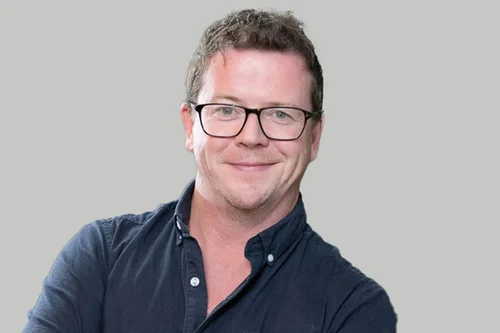
Prof Paul Timpson
Cancer Program · Garvan Institute of Medical Research
Professor Paul Timpson completed his PhD with Prof Margaret Frame at the Beatson Institute for Cancer Research, UK in 2002, where he assessed the interplay between Src family kinases and the actin cytoskeleton during cancer cell invasion, focusing on the role of Rho family GTPases. He then moved to the Garvan Institute in 2003 to work with Professor Roger Daly investigating the role of the actin-binding protein cortactin in growth factor receptor trafficking in breast cancer and head and neck cancers.
Paul was awarded an AstraZeneca Postdoctoral Research Fellowship allowing him to return to the UK in 2007, to work with Professor Kurt Anderson in collaboration with AstraZeneca Advanced Technology Laboratories. This ongoing work has focused upon the development of novel multi-disciplinary live imaging techniques to investigate molecular dynamics of cancer cells in vivo.
Returning to Australia to establish a research group in November 2012 within the Cancer Program, Paul aims to understand pancreatic cancer in the context of the surrounding environment using cutting-edge imaging technology. Pinpointing the molecular drivers of cancer progression and the environmental cues that cause resistance to current systemic therapy are the focus of his research.
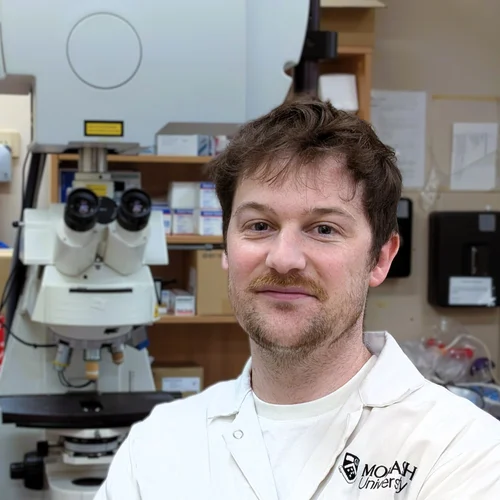
Dr Cameron Bastow
Host-Pathogen Imaging Group · Stroke and Imaging Inflammation Laboratory · Centre for Inflammatory Diseases
Dr Cameron Bastow leads the Host-Pathogen Imaging Group within the Stroke and Imaging Inflammation Laboratory at the Centre for Inflammatory Diseases. His research investigates the mechanisms underlying antimicrobial immunity, leveraging intravital imaging techniques to reveal physiological and immunological responses to infection across multiple organs. Utilising novel preclinical models of bacterial sepsis established with clinical collaborators, Dr Bastow's work aims to identify new therapeutic targets that restrict multi-organ failure, metabolic dysfunction and immune paralysis in sepsis and improve the translation of putative therapeutics. His immunology and live imaging expertise extends to additional collaborations to understand immune trafficking in non-infectious settings including reproductive immunity and autoimmune disease.
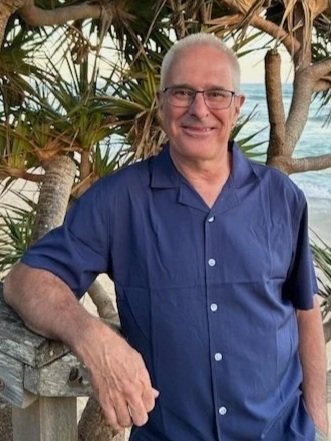
Prof Mark Midwinter
Blood–Tissue Interface Research Group · School of Biomedical Sciences · The University of Queensland
Professor Mark Midwinter is an academic surgeon with subspecialty interests spanning upper gastrointestinal, hepatobiliary and pancreatic surgery, and trauma and acute care surgery. He completed his medical training across leading UK centres — Newcastle, London, Manchester and Oxford — graduating with BMedSci (Hons) and MBBS before obtaining his MD (Research), with a thesis examining the utility of endoscopic ultrasound in the diagnosis and staging of pancreatic cancer.
In 1992, Mark joined the Royal Navy, serving both at sea and on land with the Royal Marines. He saw active service in the former Yugoslavia, Iraq, Afghanistan, and Somalia/Indian Ocean — an experience that shaped his enduring commitment to trauma surgery and battlefield medicine.
Returning to academic medicine, he was appointed Defence Professor of Surgery within the UK Defence Medical Services and the University of Birmingham. He also served as Deputy Director of the National Institute of Health Research (NIHR) Centre for Surgical Reconstruction and Microbiology, and the NIHR Health Technology Collaborative (Trauma).
Mark relocated to Australia with his family, initially working as a Staff Specialist in General Surgery in Bundaberg before moving to Brisbane to take up a Professorship in Clinical Anatomy at the University of Queensland. He was appointed Deputy Head of the School of Biomedical Sciences in 2020. He leads the Blood-Tissue Interface Research Group and is a member of the Jamieson Trauma Institute.
His current research focuses on trauma and damage control resuscitation, the microcirculation, the endothelium and endothelial glycocalyx, and frailty and sarcopenia.

Dr Sapna Devi
Group leader · The University of Melbourne
Dr Sapna Devi completed her PhD at Monash University in 2012 and has since trained and collaborated with world-leading experts in intravital imaging. Her research seeks to define the mechanisms governing immune cell trafficking and function across different organs in health and disease. Her scientific contributions have been recognised through multiple competitive research awards and publications in high-impact journals. She is currently a group leader at the University of Melbourne, where she investigates neuroimmune interactions, with a particular focus on how the nervous system influences immunity and shapes cellular responses to cancer during stress. By dissecting these fundamental mechanisms, her work seeks to identify new therapeutic targets for cancer and immune-related diseases.
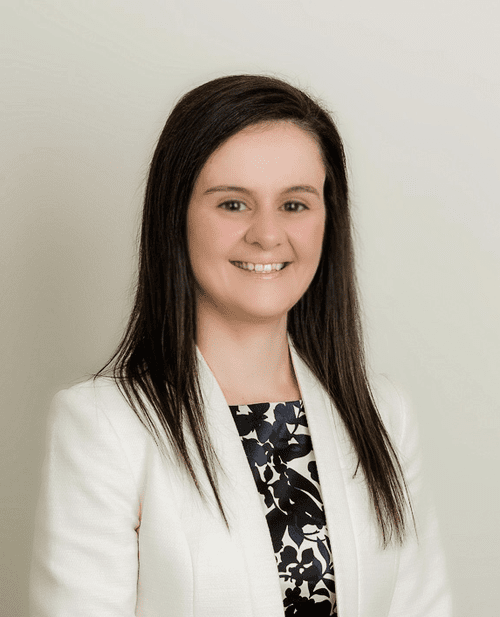
Prof Laura Downie
NHMRC Investigator Fellow · Department of Optometry and Vision Sciences · The University of Melbourne
Professor Laura Downie is an optometrist clinician scientist and NHMRC Investigator Fellow in the Department of Optometry and Vision Sciences at the University of Melbourne. She heads the Downie Laboratory: Anterior Eye, Clinical Trials and Research Translation Unit, is Director of the Melbourne Cochrane Eyes and Vision Centre for Evidence-Based Vision Care and co-directs the FrontTear Research Centre, which integrates preclinical and clinical approaches to study immunological signatures in mouse and human eyes.
Laura holds a Bachelor of Optometry (2003) and PhD (2008) from the University of Melbourne, with postgraduate training at the University of Oxford and Haas School of Business, UC Berkeley. She has received international awards, served on major guideline and standards panels, and sits on leading editorial boards. Her research spans laboratory, clinical and implementation science, with a goal to improve outcomes in eye disease. Her key research focus areas include ocular biomarkers, diagnostics, clinical trials and evidence synthesis. Laura receives funding from the NHMRC, ARC, philanthropy and industry. She co-pioneered Functional In Vivo Confocal Microscopy (Fun-IVCM) to image immune cell dynamics in living humans, reshaping understanding of human corneal cellular immunology.
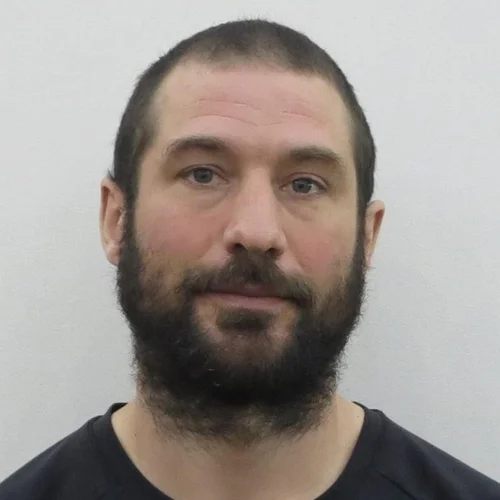
Dr Dominik Schienstock
Doherty Institute · Mueller Lab
Dr Dominik Schienstock has a background in computer science and completed his undergraduate and masters studies in the UK. In 2019 he moved to Australia to complete his PhD with Scott Mueller at the Doherty Institute in Melbourne. His research bridges advanced microscopy, computational biology and machine learning, with a focus on extracting quantitative biological insight from complex multi-dimensional imaging data. Dominik is the developer of Cecilia, an open-source image analysis platform designed to make sophisticated segmentation, tracking and multi-parameter analysis of microscopy data accessible to biologists. He is currently developing a context-aware segmentation and tracking algorithm (Coastal) designed for intravital microscopy.
Organising committee
Behind the symposium.
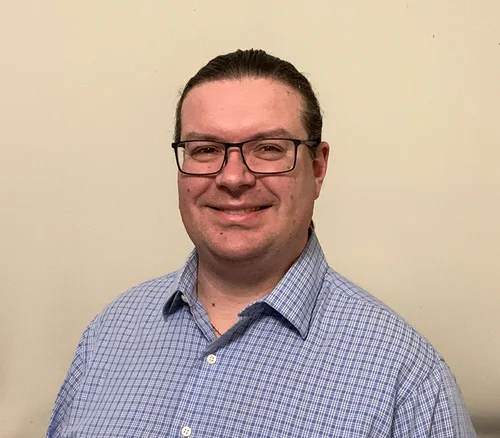
Michael Kuligowski
University of Sydney
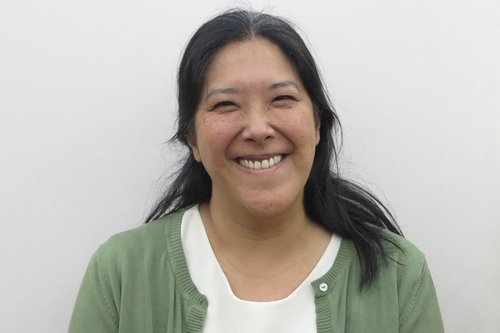
Deborah Barkauskas
Garvan Institute
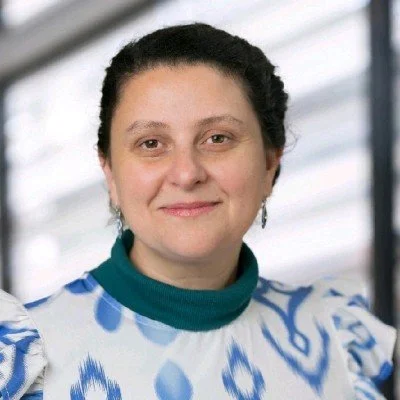
Gabriela Segal
Garvan Institute
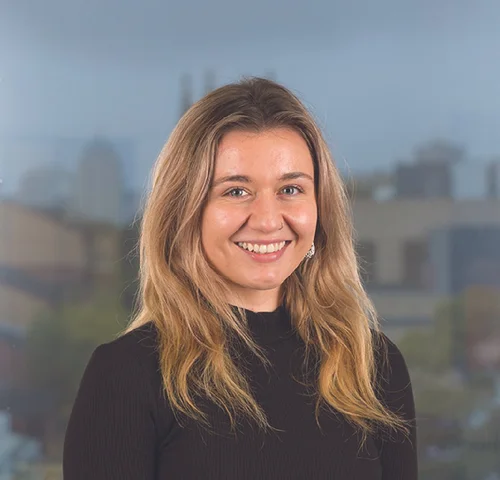
Holly Ahel
Garvan Institute
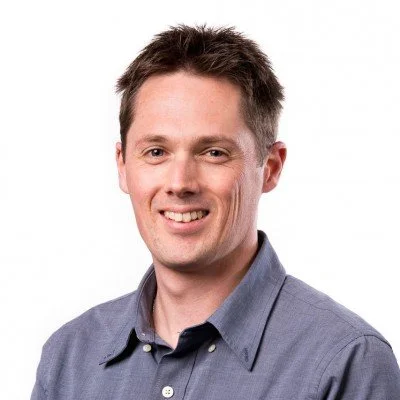
Scott Mueller
Peter Doherty Institute
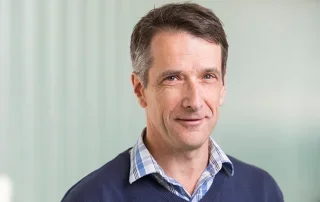
Michael Hickey
Monash University
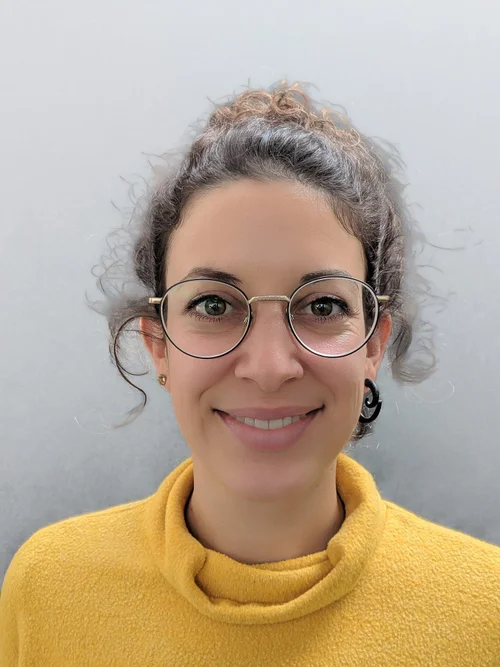
Angela Fontaine-Titley
Garvan Institute
Thank you
2026 symposium sponsors.
Gold
Lead partners



Silver
Supporting partners



Short Video Sponsors